Beijo
If you have notes on accuracy, content, site links, or any other requests regarding this page, please get ahold of us at contact@hamiltonandsonsauctions.com.
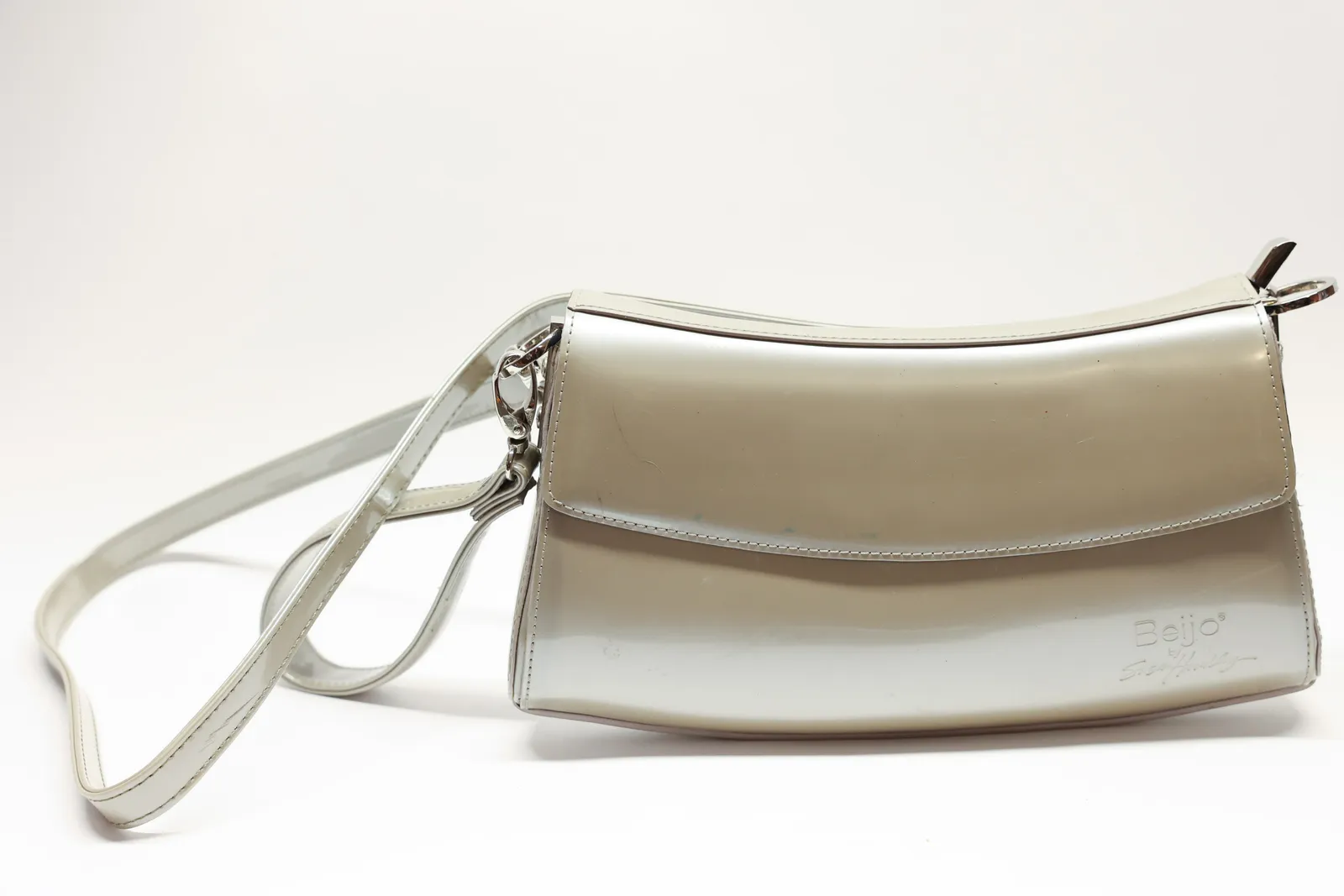
Beijo, meaning "kiss" in Portuguese, was a California-based handbag company founded in 2001 by designer Susan Handley, who named the company after her son's second word. Handley built the label using a direct-sales, party-plan business model reminiscent of Tupperware, growing it from the trunk of her car into a multi-million-dollar company housed in a 28,000-square-foot warehouse in Santa Clarita. The brand relied on a network of independent fashion consultants who hosted handbag parties, and at its peak the company had more than 2,000 consultants and was growing, while Beijo sold more than 1.5 million handbags and accessories at parties and online.
Beijo handbags were known for their glossy, high-shine patent leather and faux-leather finishes, bold color palettes, and fun, eye-catching hardware, often styled as satchels, totes, shoulder bags, and crossbody pieces bearing the "Beijo by Susan Handley" signature. Beijo bags were primarily made from high-quality synthetic materials designed to mimic the look and feel of leather, and the brand was known for using durable vegan-friendly materials that were both stylish and practical, making their bags an affordable alternative to genuine leather handbags. Pieces were produced in a wide range of playful colors and patterns, from animal print and paisley to metallics and neutrals, giving the line broad appeal among collectors of early-2000s and Y2K-era fashion accessories.
Beijo eventually wound down as a going concern, unable to keep pace with the affordable-accessories market, and it is no longer in active production. Beijo Bags is no longer actively operating as a company, and the brand ceased regular production and sales several years ago, though some retailers may still have remaining inventory available. Because the line is discontinued, well-preserved examples in distinctive colorways—like the glossy, jewel-toned patent finishes for which the brand was best known—have become sought after by collectors of 2000s costume-level fashion accessories and direct-sales design history.
Sources: