Bing & Grøndahl
If you have notes on accuracy, content, site links, or any other requests regarding this page, please get ahold of us at contact@hamiltonandsonsauctions.com.
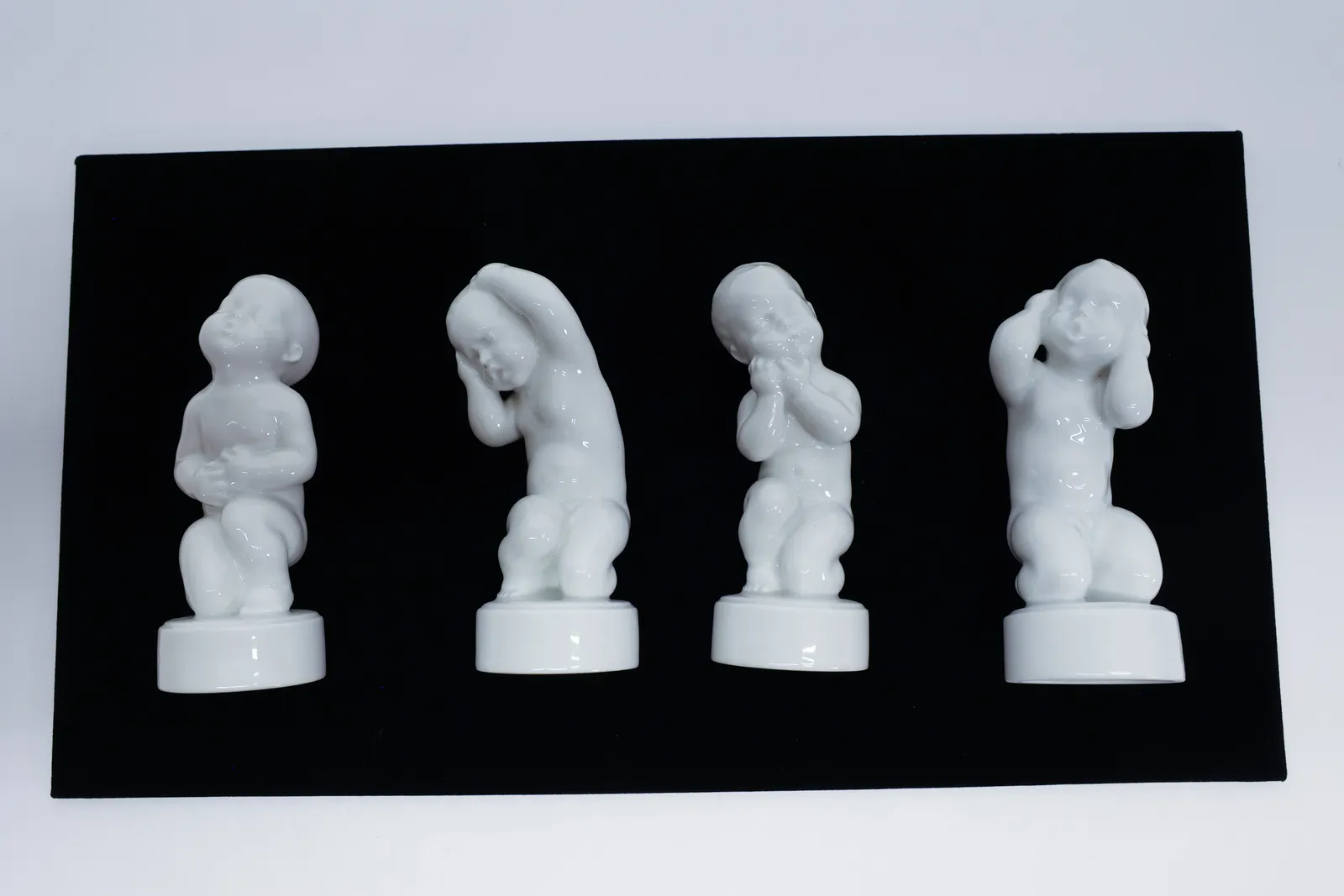
Bing & Grøndahl was a Danish porcelain manufacturer founded in 1853 by the sculptor Frederik Vilhelm Grøndahl and merchant brothers Meyer Hermann Bing and Jacob Herman Bing. Grøndahl initially began the company to produce biscuit porcelain figurines modeled on the neoclassical sculptures of Bertel Thorvaldsen, and the company extended production to include elegant tableware and coffee sets. Based in Copenhagen, the firm grew into one of Denmark's two great porcelain houses, standing as a direct rival to the Royal Danish Porcelain Factory throughout much of its history.
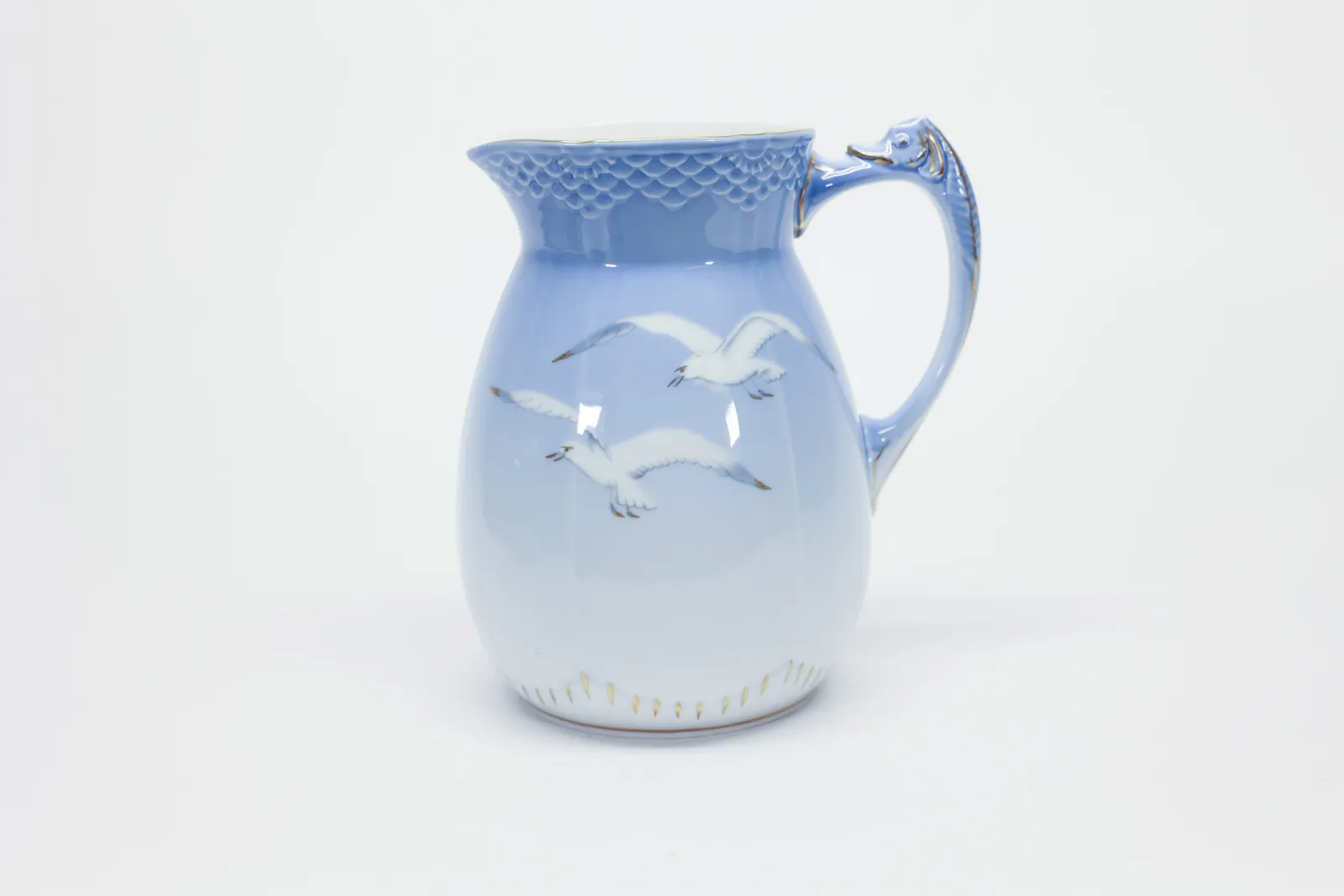
The company's most celebrated achievement is its Seagull pattern, still instantly recognizable today. The signature design, Seagull, was created in 1892 by designer Fanny Garde, featuring flying seagulls against pale blue backgrounds, sea horse handles and shaded patterns of scales around the edges. Due to its popularity from the 1950s to the 1980s, the Seagull design was considered the "National Service of Denmark," and at its peak one out of every ten Danish households owned some of the dinnerware service. Bing & Grøndahl also pioneered underglaze decoration and, beginning in 1895, produced an annual series of Christmas plates that helped establish the modern collectible plate tradition.
Pieces bearing the firm's mark are prized by collectors both for their craftsmanship and for their historical role in Danish design. The trademark backstamp for Bing & Grøndahl (B&G) porcelains is the three towers derived from the Coat of Arms of Copenhagen, and variations in this mark help collectors date individual pieces to particular production eras. In 1987 the company merged with its primary competitor, the Royal Porcelain Factory, under the name Royal Copenhagen, bringing the independent Bing & Grøndahl name to a close and making earlier examples of its work, especially hand-painted Seagull pieces, sought after as tangible pieces of a distinctly Danish design heritage.
Sources: