Collingwood
If you have notes on accuracy, content, site links, or any other requests regarding this page, please get ahold of us at contact@hamiltonandsonsauctions.com.
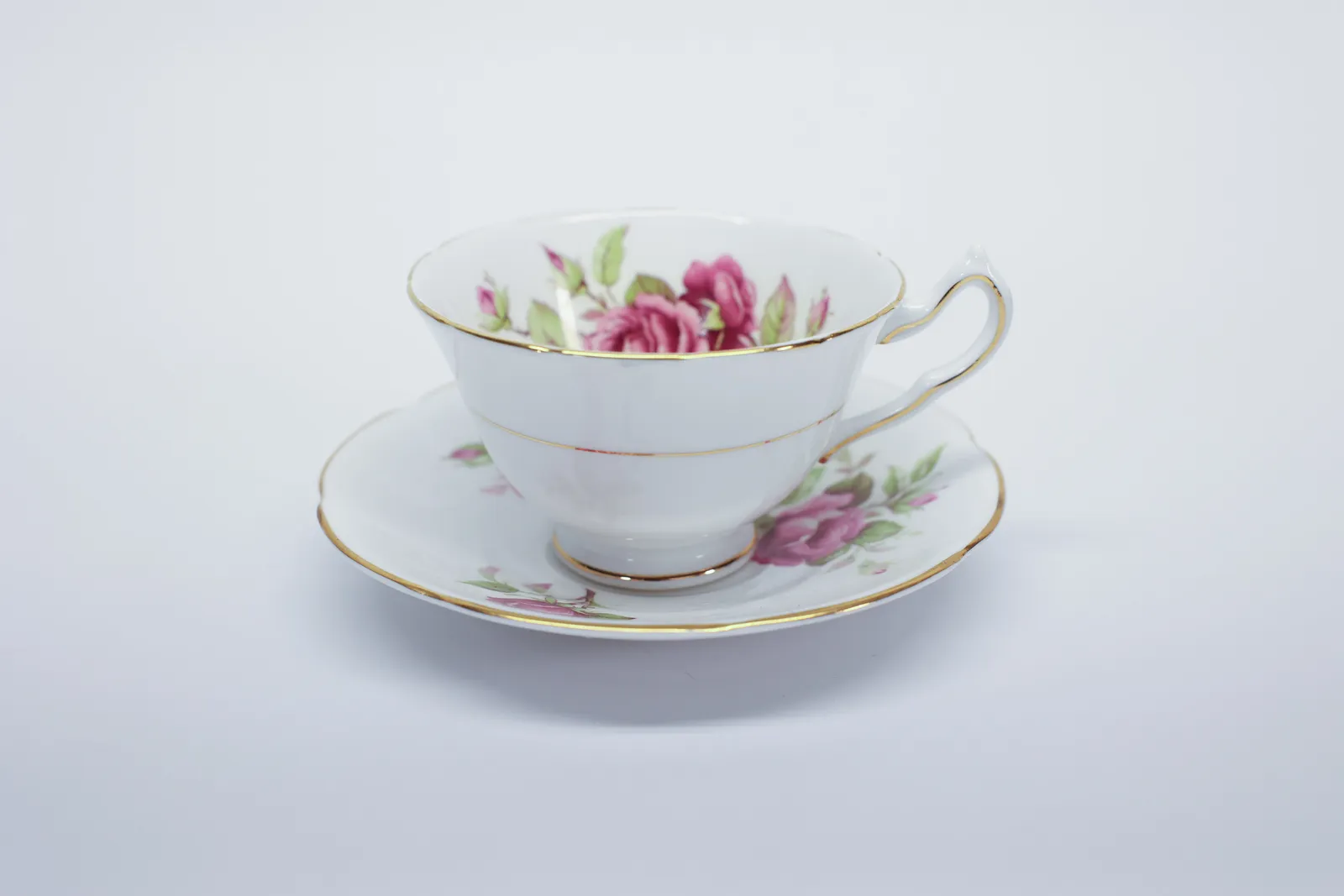
Collingwood was an English bone china manufacturer based in Longton, Stoke-on-Trent, one of the historic centers of the British pottery industry. Trading under the name Collingwood Bros. (Ltd.), the firm operated from the late nineteenth century, with printed backstamps recorded from around 1912 through the 1930s and 1940s, before the company was reorganized as Collingwood China Ltd. and continued production into the 1950s. The company used a printed mark with a crown from 1912 to 1924, followed by printed marks from 1924 to 1930 and 1930 to 1940. It operated as a china manufacturer at the St. George Works in Longton, Stoke-on-Trent, England, through 1948 to 1957 under its later corporate name.
Collingwood's wares, like those of many Longton makers, typically bore the mark "Estd 1796," though this date is understood to reference an earlier, unrelated pottery that had occupied the same factory site rather than the true founding of the Collingwood firm itself. Neither the Collingwood China Ltd. company nor the earlier Collingwood Bros. actually operated in 1796; the date is probably that of an unrelated factory which had worked from a site on the same premises, later demolished. Despite this quirk of branding, the mark became closely associated with the firm's identity across several decades of production.
The house specialized in fine bone china tea and coffee wares decorated with hand-painted florals, gilt banding, and delicate rim work typical of English afternoon-tea services from the interwar and postwar periods. Pieces bearing the Collingwood name are valued by collectors today as representative examples of mid-century Staffordshire craftsmanship, prized for their delicate potting, gilded detailing, and the romantic floral patterns characteristic of English bone china produced for the domestic and export tea-set market.
Sources: