Hammersley & Co.
If you have notes on accuracy, content, site links, or any other requests regarding this page, please get ahold of us at contact@hamiltonandsonsauctions.com.
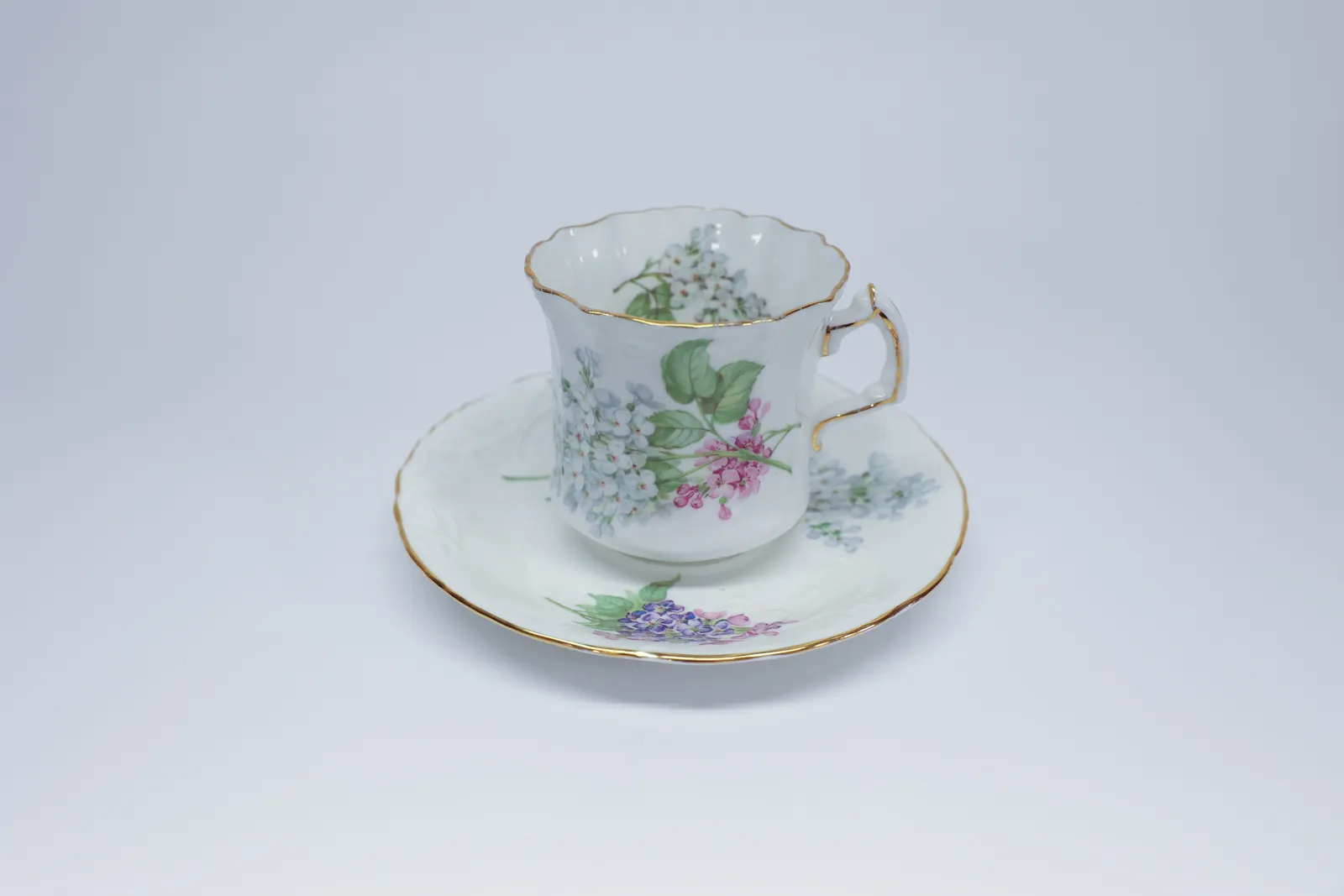
Hammersley & Co. was an English pottery firm based in Longton, Staffordshire, part of the famed Stoke-on-Trent ceramics district. The company was founded in Longton in 1862 and was originally established as Adams, Scrivener & Co, with the third owner being Titus Hammersley. After Scrivener's retirement the firm continued as Harvey Adams & Co, and following Titus Hammersley's death in 1875 his son George Harris Hammersley took over; in 1885 Harvey Adams retired, leaving George Hammersley in charge under the name Hammersley & Co. The business remained under family management for several generations, with later relatives steering the firm through the twentieth century.
Hammersley & Co built its reputation on fine bone china tableware, particularly delicate hand-painted floral designs finished with gilt detailing. The company's early products were mainly earthenware, but it soon began experimenting with other materials such as porcelain and bone china, eventually producing a wide variety of ceramics including tableware, decorative items, and figurines. Popular patterns produced by the firm included lines such as Alsager China, Corona Ware, Duchess China, Grosvenor Ware, and others, known for their delicate floral designs, often hand-painted by skilled artists. In 1932 the company was renamed Hammersley and Co (Longton) Ltd and moved from its Longton works to the Alsager Pottery, using "Alsager China" as a trademark.
The firm eventually became part of larger ceramic conglomerates, being purchased in 1970 by Carborundum Limited, which merged with Royal Worcester six years later to form Royal Worcester Spode Ltd, and the Hammersley name was ultimately sold on in the late 1980s. Today, original pieces bearing the Hammersley mark, especially those from the late nineteenth and early twentieth centuries with hand-painted florals and fine gilding, are prized by collectors of English bone china for their craftsmanship and historical pedigree within the Staffordshire tradition.
Sources: